East Asian Folklore: Dragons, Fox Spirits, Moon Rabbits, Folklore and Heritage in East Asia
Instructor: Mark Bender
Meeting Time: Wednesday & Friday, 12:45 PM-2:05 PM
Language of Instruction: English
Prerequisites: None
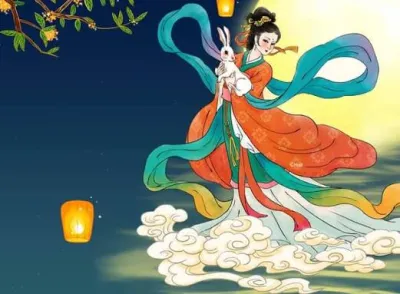
Why do people across East Asia tell stories about moon rabbits, fox spirits, dragon kings, heroic warriors, magical birds, and sacred mountains?
This course explores the folklore and cultural heritage of:
• China (including diverse ethnic traditions)
• Korea
• Japan
• Mongolia
• Vietnam
Through myths, folktales, songs, films, festivals, crafts, foodways, and digital media, students discover how traditional culture continues to shape the modern world.
Explore Fascinating Topics
🌙 Origin Myths and Creation Stories
🐉 Dragons, Dragon Kings, and Sacred Waters
🦊 Fox Spirits, Wolves, Bears, Deer, and Other Transformational Beings
⚔️ Heroes, Warriors, Shamans, and Epic Traditions
🏯 Heritage Sites and Cultural Landscapes
👘 Folk Costumes, Design, and Performance
🌾 Food, Medicine, Plants, and Everyday Traditions
⛩ Shrines, Temples, and Sacred Places
🎮 Folklore in Contemporary Media: Princess Mononoke, Nezha, Black Myth: Wukong, and more
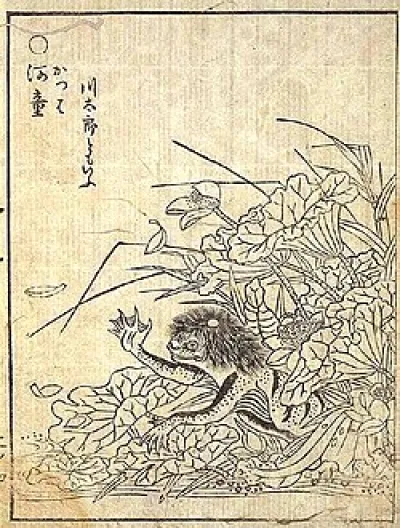
Interactive & Hands-On Learning
✅ Folklore workshops
✅ Heritage site case studies
✅ Folk costume exploration
✅ Material culture activities
✅ Multimedia storytelling
✅ Discussion-based learning
✅ Comparative global perspectives
Why Take This Course?
Learn how folklore shapes
• Popular culture
• Film and animation
• Video games
• Religious traditions
• Heritage tourism
• National identity
• Cultural sustainability
Discover how ancient stories continue to thrive in contemporary East Asia.